Note the location
Identify the room, roof area, garden section, storage area or building feature where activity has been noticed.

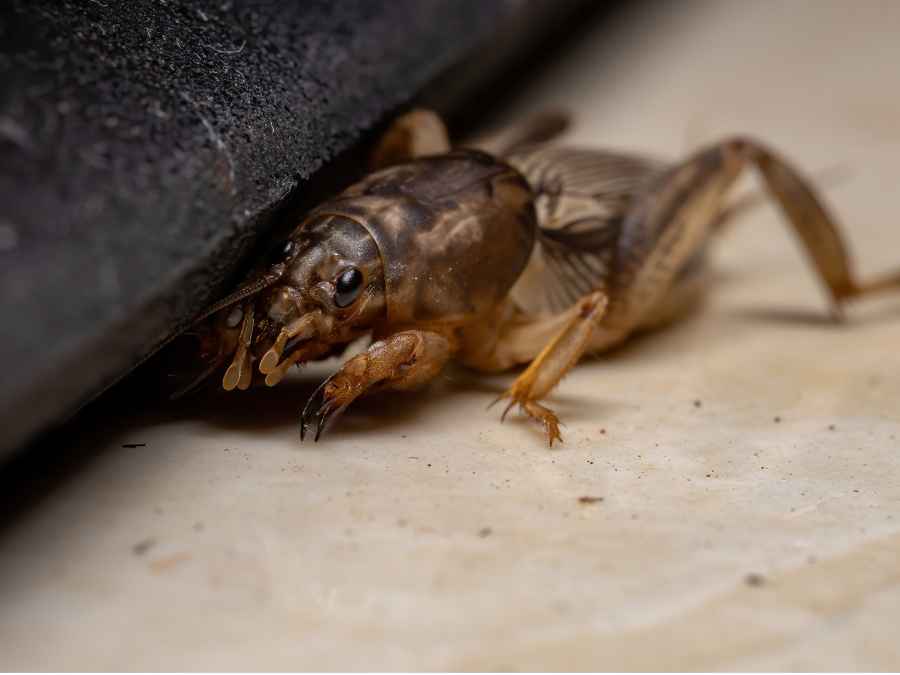
Mole crickets live in soil and can disturb lawn roots and turf. Their tunnelling and feeding may leave raised tracks, thinning patches or areas of grass that lose vigour, although other lawn issues can look similar.
A sensible response starts by assessing the affected lawn or garden and checking whether signs are consistent with mole cricket activity. Soil conditions, irrigation, turf type and the extent of damage all influence the next steps.
Mole cricket assessment enquiries for lawns, landscaped grounds and garden areas.
A few observations can help Oxynene understand the issue and discuss the right next step.
Identify the room, roof area, garden section, storage area or building feature where activity has been noticed.
Tell us what you have seen, when it occurs and whether you have already tried any control measures.
Include the suburb, property type and any access or safety concerns that may affect an assessment.
No. Other lawn problems can look similar. Assess the signs and site conditions before choosing a treatment.
Yes. Use the quote form to select your property type, service area, urgency and the pest or issue you are experiencing. Oxynene can review the details and follow up.
Tell us where the issue is happening and our team can follow up.